
What does extrusion aluminium look like?
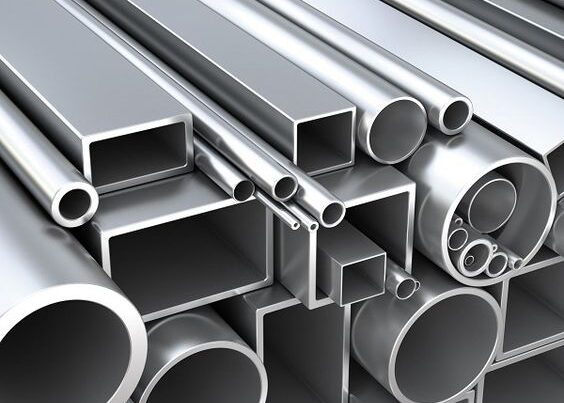
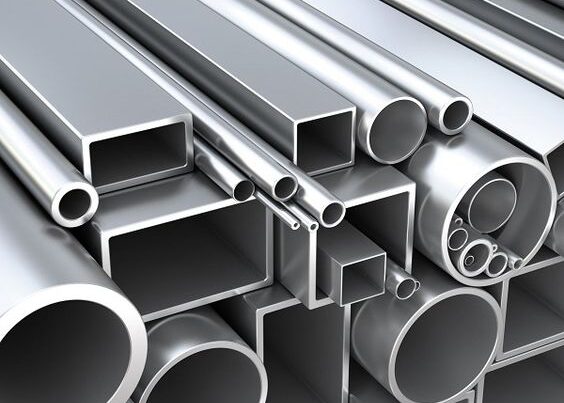
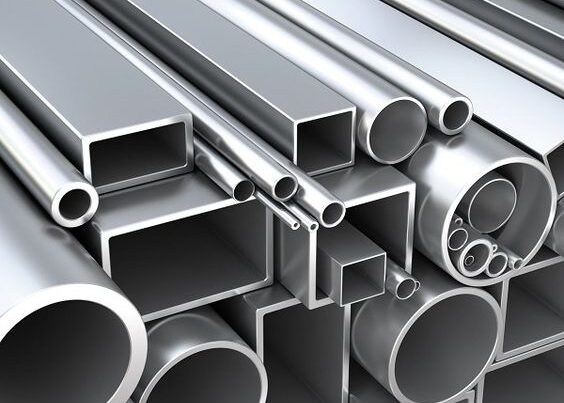
Extrusion aluminium is surprisingly recognisable once you know what to look for. In simple terms, it appears as long, uniform lengths of metal with a consistent cross-sectional shape. That shape—often called a “profile”—is what defines how the extrusion looks and functions.
At first glance, extrusion aluminium typically has a clean, sleek, and slightly matte metallic finish. However, its appearance can vary depending on how it has been treated or finished. For example, it might look silver and brushed, or it could be powder-coated in black, white, or bold colours for a more decorative or protective finish.
Because aluminium is pushed through a die during manufacturing, every piece has the same cross-section from one end to the other. So, whether you are looking at a simple bar or a complex structural component, the defining feature is consistency along its length.
Common shapes of extrusion aluminium profiles
Extrusion aluminium can take on a wide variety of shapes, and this is where its visual identity becomes more interesting. The “look” depends heavily on the profile design.
Some of the most common shapes include:
-
Flat bars – simple rectangular strips with a clean, solid appearance
-
Angles (L-shapes) – used for corners and edging
-
Channels (U or C shapes) – open-sided profiles often used as tracks
-
T-sections – shaped like a capital “T” for support and joining
-
Tubes (round, square, or rectangular) – hollow and lightweight
-
I-beams – designed for strength in structural applications
These profiles can look very minimal and geometric, or quite complex depending on their intended use. For instance, a simple square tube looks clean and modern, while a multi-channel profile may appear intricate and highly engineered.
Hollow, solid and complex profiles explained
Another key visual difference lies in whether the extrusion is solid or hollow.
-
Solid profiles look dense and compact, with no internal voids
-
Hollow profiles have visible cavities, like tubes or box sections
-
Semi-hollow profiles combine both, with partially enclosed spaces
Hollow profiles often look lighter and more refined, while solid ones appear more robust. Meanwhile, complex profiles may include multiple chambers, grooves, or slots, which give them a more technical, engineered appearance.
These variations are not just aesthetic—they directly affect performance, weight, and strength.
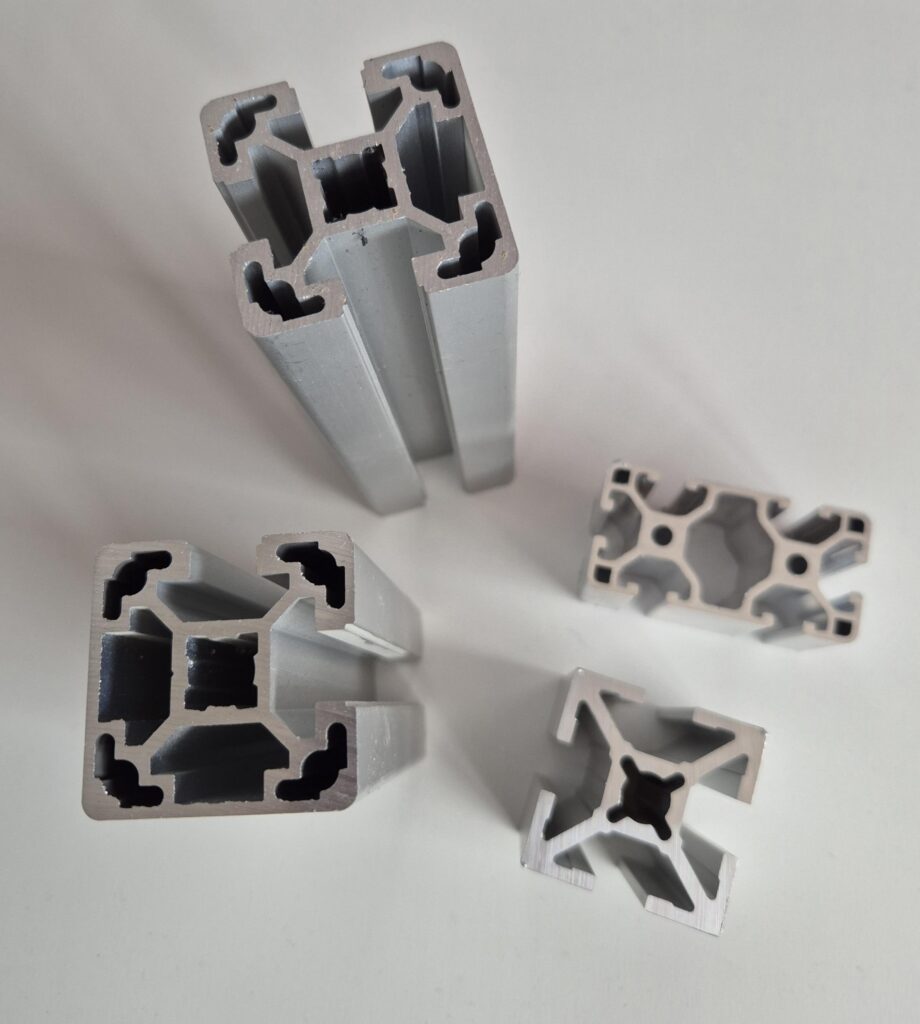
What does T-slot aluminium extrusion look like?
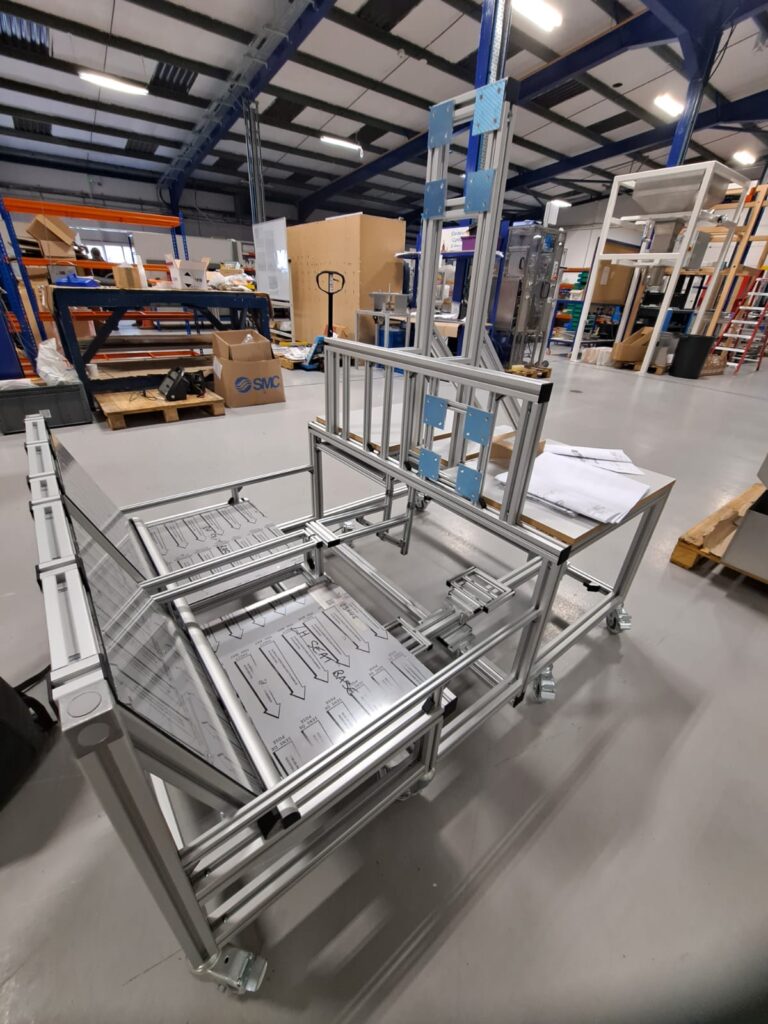
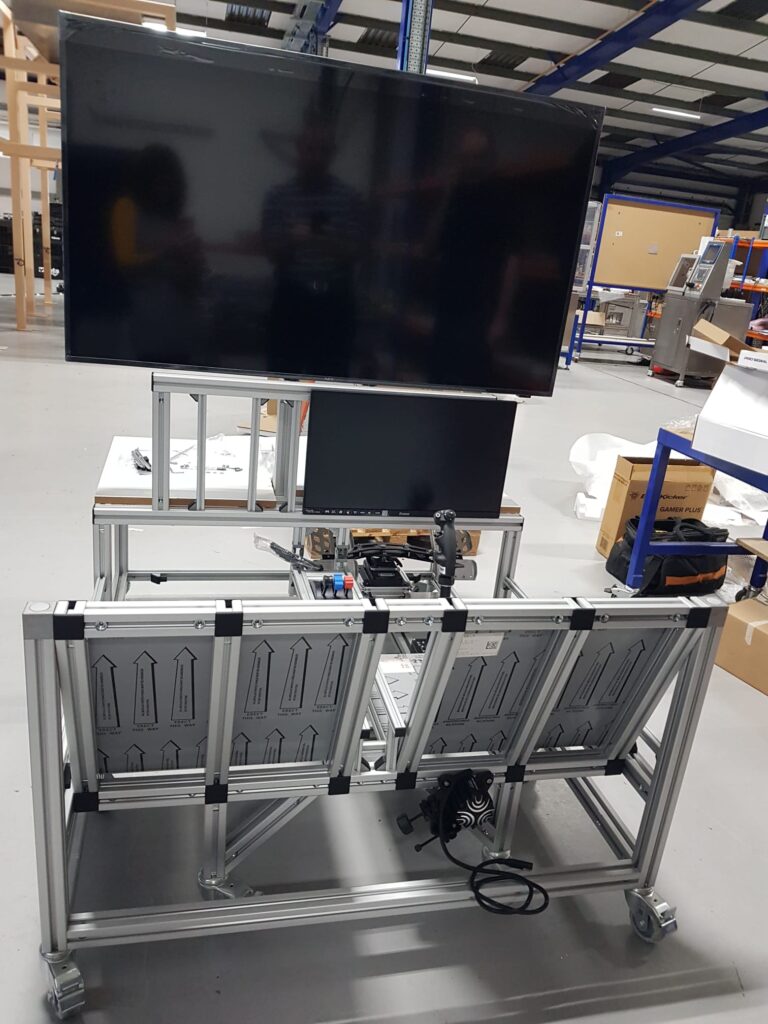
One of the most recognisable forms of extrusion aluminium is T-slot framing. This type of profile features one or more grooves shaped like a “T” running along its length.
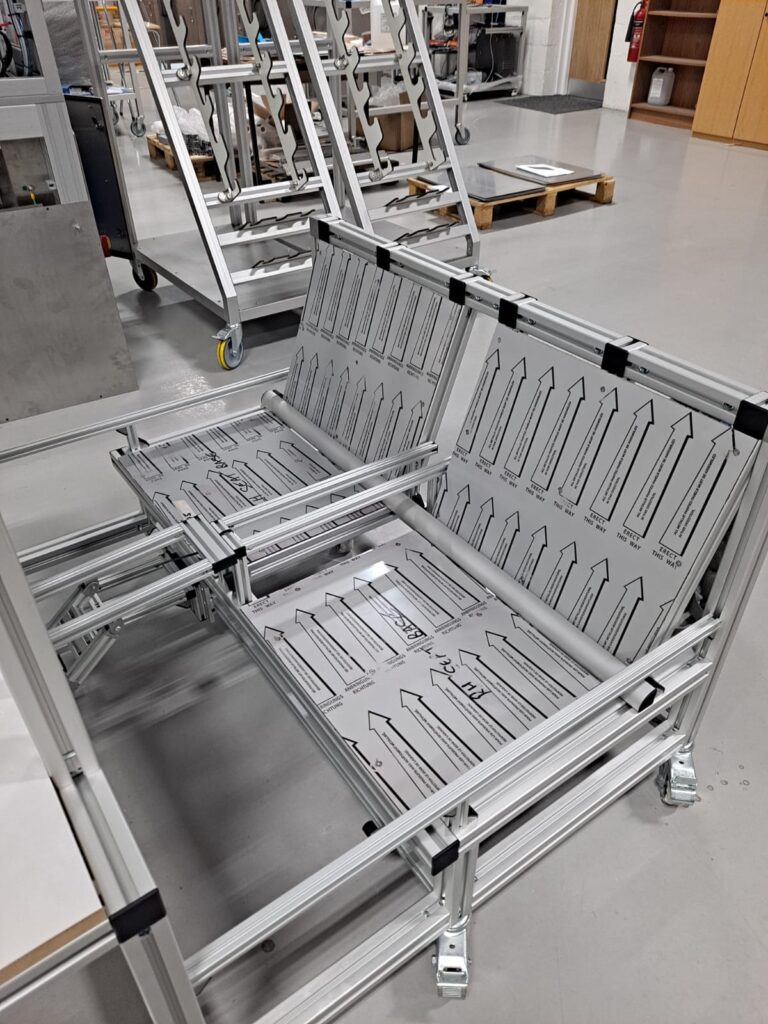
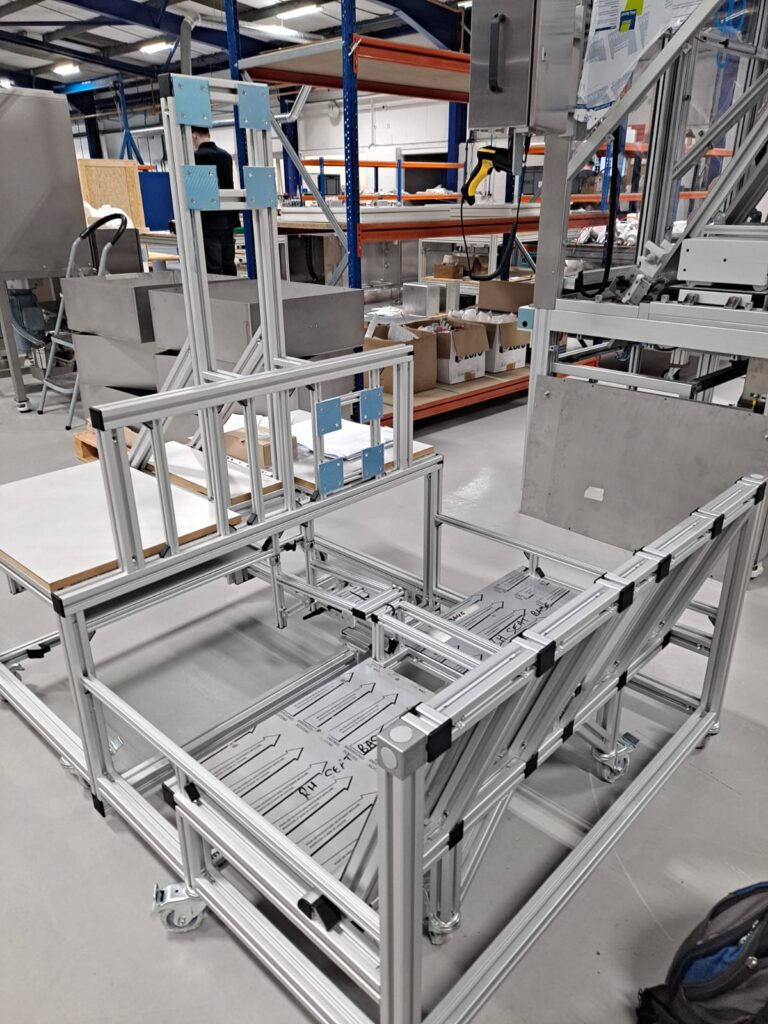
Visually, T-slot extrusion often looks like a square or rectangular beam with evenly spaced slots on its sides. These slots allow connectors, brackets, and fasteners to slide into place, making it ideal for modular systems.
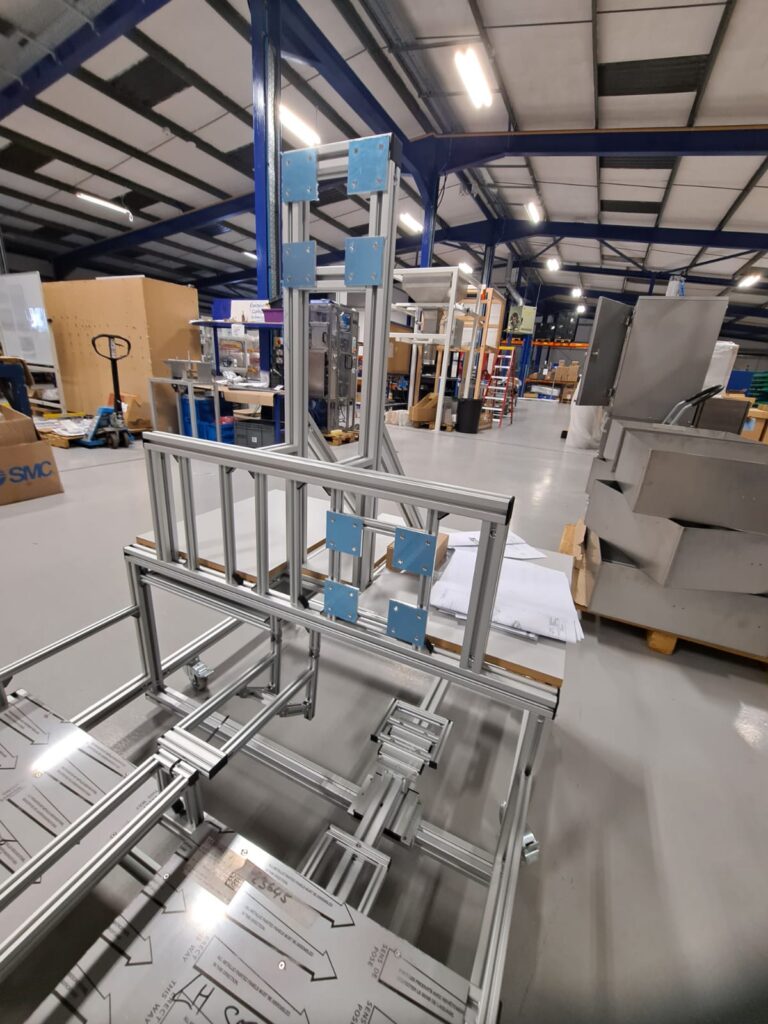
Because of this design, T-slot profiles tend to look more industrial and functional. You will often see them in machinery frames, workstations, and even DIY builds such as 3D printers or custom shelving.
Surface finishes and colours
Extrusion aluminium does not always look like raw metal. In fact, its finish plays a big role in its final appearance.
Common finishes include:
-
Mill finish – raw aluminium with a natural, slightly dull metallic look
-
Anodised finish – smooth, corrosion-resistant, often in silver or black
-
Powder-coated finish – available in a wide range of colours with a durable coating
-
Painted finish – offers flexibility for custom designs
As a result, extrusion aluminium can suit both industrial and decorative applications. For example, a black powder-coated profile may look sleek and modern in interior design, while anodised silver is common in architectural features.
Where you might see extrusion aluminium
Once you know what extrusion aluminium looks like, you will start noticing it everywhere. That’s because it is widely used across industries due to its versatility.
Typical examples include:
-
Window and door frames
-
Curtain wall systems on buildings
-
Furniture frameworks
-
Machine guards and enclosures
-
Heat sinks in electronics
In everyday settings, it often appears as clean lines and structured frames. In industrial environments, it looks more complex, with integrated slots and engineered shapes.
Custom aluminium extrusions and their appearance
While standard profiles are common, custom extrusion aluminium is where design flexibility really shines.
Custom profiles can include:
-
Multiple internal chambers
-
Integrated fixing points
-
Curved or asymmetric shapes
-
Fine details like grooves and ridges
Because the shape is defined by a die, manufacturers can create almost any cross-section imaginable.
This means extrusion aluminium can look highly specialised. For example, a bespoke profile for a glazing system may have intricate channels for seals and glass panels, while a transport component may prioritise strength with reinforced sections.
If you are looking for tailored solutions, this is exactly the kind of work we carry out as specialists at Love Aluminium. We provide custom aluminium extrusion and fabrication services across a range of industries.
Why extrusion aluminium looks the way it does
The appearance of extrusion aluminium is not just about aesthetics—it is driven by function.
Because the process involves forcing heated aluminium through a shaped die, the resulting profile is:
-
Uniform – the same shape throughout
-
Precise – designed to tight tolerances
-
Efficient – material is distributed only where needed
This is why extrusion aluminium often looks clean and purposeful. Every edge, channel, and cavity serves a role, whether structural, aesthetic, or functional.
If you want to explore more about the extrusion process itself, this source provides a helpful overview.
Get in touch
If you are considering aluminium extrusion for your next project, speaking to an expert can make all the difference. Whether you need a standard profile or a fully bespoke solution, professional guidance ensures you get the right design, finish, and performance.
You can get in touch with Love Aluminium to discuss your requirements, from concept through to production.