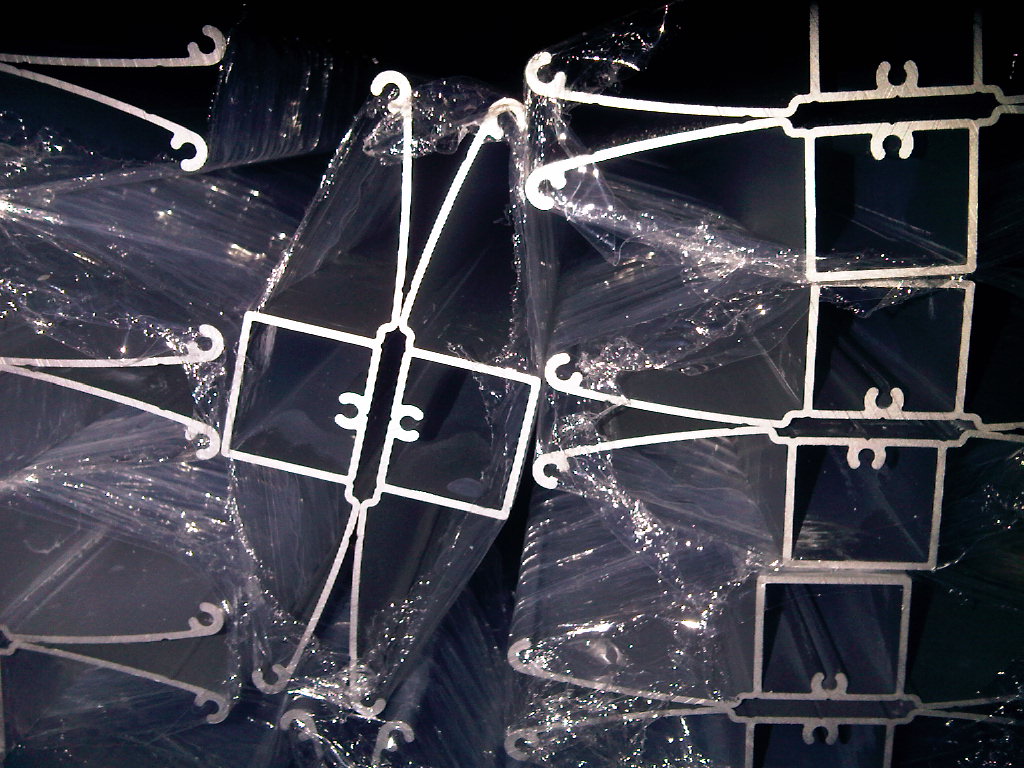
What are the different types of extrusion?
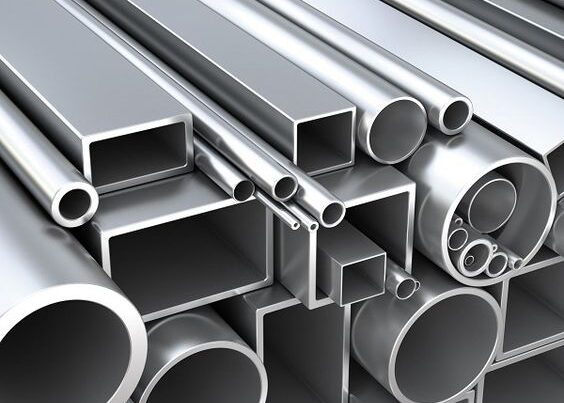
Extrusion is a widely used manufacturing process, especially within the aluminium industry. It involves forcing material through a shaped die to create profiles with a consistent cross-section. Because of its versatility, extrusion supports everything from architectural components to precision engineering parts.
However, not all extrusion processes are the same. Different types of extrusion exist to suit varying materials, tolerances, and design requirements. So, understanding these variations can help you choose the right approach for your project.
At Love Aluminium, we specialise in high-quality aluminium solutions tailored to your needs. Whether you require bespoke profiles or standard sections, our expertise ensures consistent results. Learn more about our services here.
Direct extrusion (forward extrusion)
Direct extrusion, also known as forward extrusion, is the most common method used in aluminium manufacturing. In this process, a ram pushes a heated billet through a stationary die, forming the desired shape.
Because the billet moves against the container walls, friction occurs during the process. As a result, this method requires more force compared to other techniques. Nevertheless, it remains popular because it is simple, cost-effective, and suitable for producing a wide range of profiles.
Manufacturers often use direct extrusion for structural components, such as beams, frames, and tubing. Additionally, it works well for long, continuous sections with uniform cross-sections.
Indirect extrusion (backward extrusion)
Indirect extrusion operates differently. Instead of pushing the billet through a fixed die, the die moves towards a stationary billet.
This change reduces friction significantly because the billet does not rub against the container walls. Consequently, the process requires less force and produces a better surface finish.
Because of these advantages, indirect extrusion suits high-precision applications. For example, industries such as aerospace and automotive often rely on this method for components that require tight tolerances.
However, the tooling is more complex, and the process can be more expensive. So, while it offers improved quality, it may not always be the most economical option.
Hydrostatic extrusion
Hydrostatic extrusion uses fluid pressure rather than direct mechanical force. In this method, the billet is surrounded by a pressurised liquid, which applies uniform pressure and forces the material through the die.
Because the billet does not contact the container, friction is almost eliminated. Therefore, the process allows for smoother material flow and greater dimensional accuracy.
This method works particularly well with brittle materials or complex shapes. However, it requires specialised equipment and careful handling, which can increase production costs.
As a result, hydrostatic extrusion is typically reserved for niche or highly technical applications.
Impact extrusion
Impact extrusion involves striking a billet at high speed with a punch, forcing the material to flow into a die. This process is often used to create hollow shapes, such as cans or containers.
Because the process is fast and efficient, it suits high-volume production. Additionally, it produces thin-walled components with excellent surface finishes.
However, impact extrusion is generally limited to softer metals and simpler shapes. Therefore, it may not be suitable for complex aluminium profiles used in construction or engineering.
Continuous extrusion
Continuous extrusion allows manufacturers to produce long lengths of material without interruption. Unlike traditional methods, this process feeds material into the system continuously, enabling ongoing production.
This approach improves efficiency and reduces material waste. As a result, it is often used for applications requiring large quantities of uniform products, such as wires, rods, or tubing.
However, continuous extrusion may not offer the same level of design flexibility as other methods. So, it is best suited for simpler, repetitive profiles.
Hot, warm, and cold extrusion
Extrusion processes can also be categorised based on temperature. Each option affects the material properties and final product performance.
Hot extrusion takes place at high temperatures, typically between 350°C and 500°C for aluminium. This heat makes the material more ductile, so it flows easily through the die.
Warm extrusion occurs at moderate temperatures. It reduces oxidation while maintaining much of the material’s ductility. As a result, it offers a balance between performance and efficiency.
Cold extrusion happens at room temperature. Although it requires higher force, it increases strength through work hardening.
Because each temperature range affects strength, surface finish, and cost, manufacturers choose the method based on the specific application.
Choosing the right extrusion method
Selecting the right type of extrusion depends on several factors. These include the complexity of the design, required tolerances, material properties, and production volume.
For example, direct extrusion is ideal for general-purpose applications because it is cost-effective and versatile. On the other hand, indirect extrusion offers better precision and surface quality, making it suitable for specialised components.
Meanwhile, hydrostatic and impact extrusion serve niche roles where specific material behaviours or shapes are required.
If you are unsure which method suits your project, working with an experienced supplier can make a significant difference. At Love Aluminium, we guide clients through the entire process, from design to delivery.
For further technical insight into extrusion processes, you can explore this resource.
If you are planning an aluminium extrusion project, expert advice can help you achieve the best results. At Love Aluminium, we provide tailored solutions designed around your exact requirements.
Whether you need custom profiles, finishing services, or guidance on extrusion methods, our team is here to help. Get in touch today to discuss your project and discover how we can support your next build.
In summary, extrusion is not a one-size-fits-all process. Instead, it includes a range of techniques, each designed to meet different manufacturing needs. By understanding the different types of extrusion, you can make informed decisions and achieve better project outcomes.