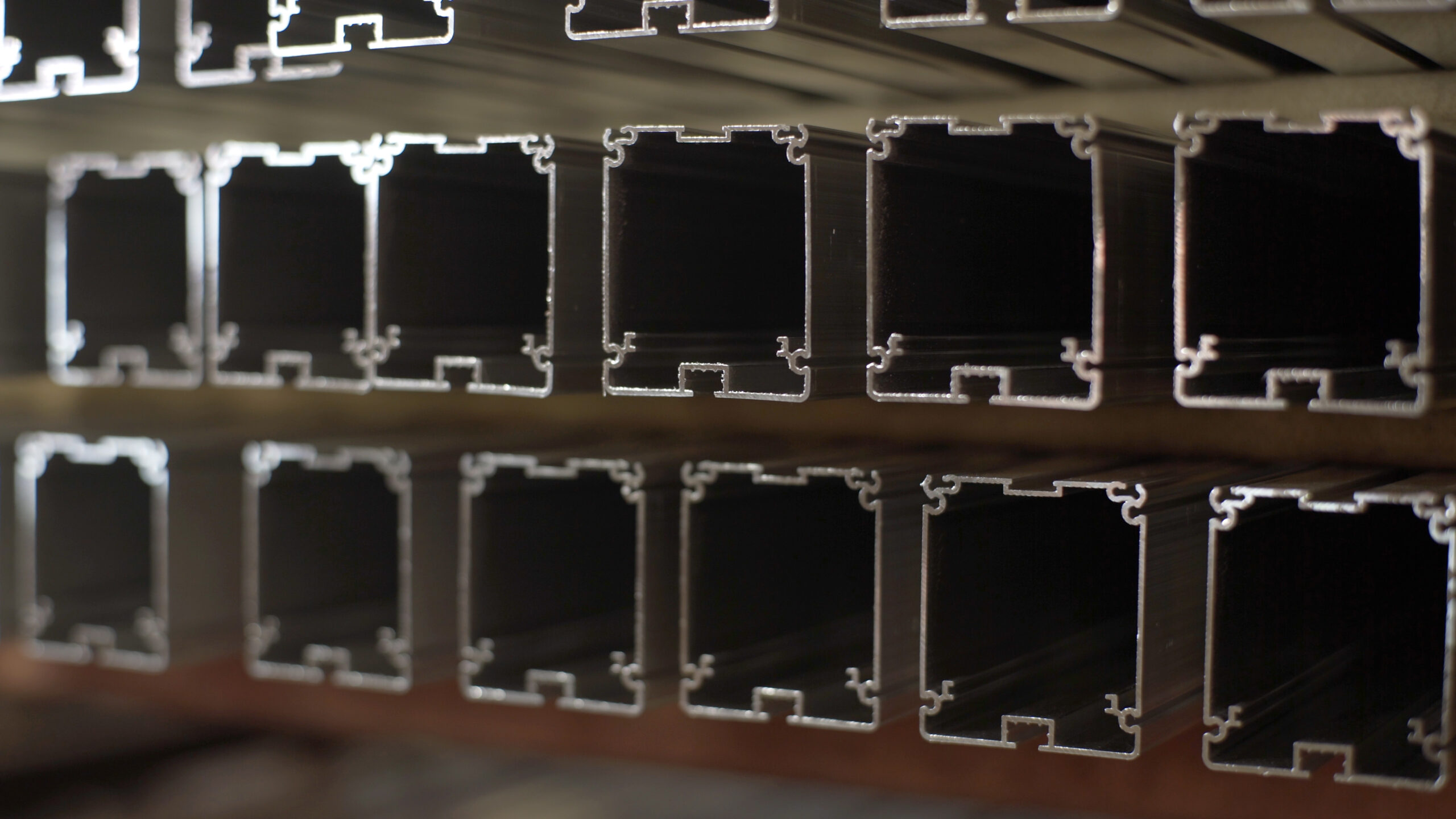
How is Aluminium Extrusion Manufactured?
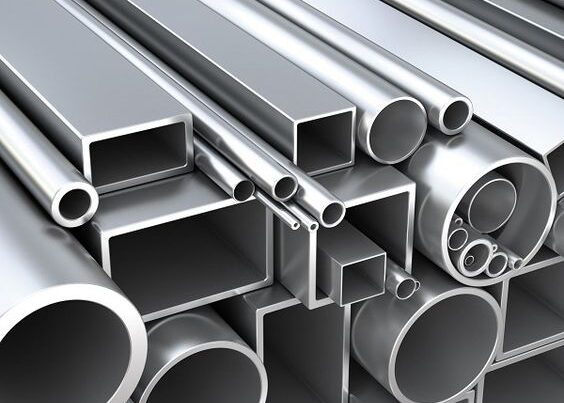
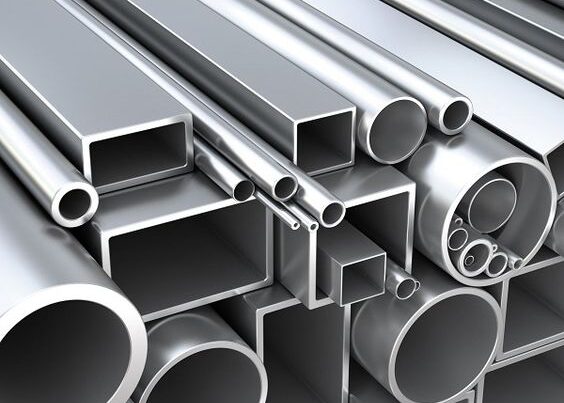
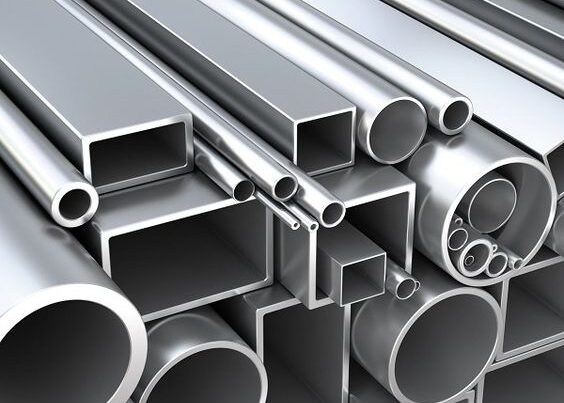
Aluminium extrusion is a highly versatile manufacturing process that transforms aluminium into specific shapes and profiles used across industries. It’s efficient, adaptable, and delivers precise components needed for architectural, industrial, automotive and many more applications. In this guide, we’ll walk you through how aluminium extrusion is manufactured and why it’s such a popular choice for custom profiles.
Understanding Aluminium Extrusion
Before discussing the practical steps involved, it’s helpful to grasp what the extrusion process actually does. Put simply, extrusion forces aluminium through a shaped opening to form long sections of consistent cross‑sectional profile. This method creates parts that are strong, lightweight, and ready for further fabrication or finishing.
What’s more, aluminium’s inherent corrosion resistance and recyclability make it an excellent material for sustainable manufacturing. Because of these advantages, companies like us at Love Aluminium provide end‑to‑end extrusion services — combining design, manufacturing and finishing to deliver high‑quality profiles.
Step 1: Design and Planning
At the heart of any successful extrusion project is a robust design. Before anything else happens, engineers create a detailed profile drawing that defines the desired shape, dimensions and tolerances. This is normally done using CAD software so that every detail is accurate and ready for production.
During this stage, the design team also selects the best aluminium alloy based on strength, corrosion resistance and end‑use requirements. The choice of alloy can significantly influence how easily the metal forms into the desired profile and how it performs in service.
Our team collaborates with clients to optimise designs for manufacturability, performance and cost‑effectiveness, ensuring that projects start with a solid foundation.
Step 2: Tooling and Die Manufacturing
Once the design is finalised, attention turns to the tooling — specifically, the extrusion die. The die is a custom machined steel plate that contains a shaped opening matching the profile’s cross‑section. It’s critical to producing the exact shape you want, and so precision is key.
Manufacturing a die involves high‑precision machining and finishing to ensure it can withstand the intense pressures involved in extrusion. Because the die determines the final geometry of the aluminium profile, this step must be executed with great care.
At Love Aluminium, die manufacturing is part of the service, allowing customers to move smoothly from design to production without external delays.
Step 3: Preheating the Aluminium Billet
With the die ready, the next stage is preparing the aluminium billet — a cylindrical piece of solid aluminium alloy. Before extrusion, the billet is preheated in a furnace to between roughly 400 °C and 500 °C so it becomes malleable enough to be pushed through the die. Heating softens the metal, making it easier to form and reducing the risk of cracking during extrusion.
This temperature‑controlled preheating also helps to ensure a consistent, high‑quality result when the billet is forced through the die later on.
Step 4: The Extrusion Press
Once the billet has been heated and softened, it’s moved into a container in the extrusion press. A powerful ram applies immense pressure to force the aluminium through the die’s shaped opening. Because extrusion presses exert this force in a single direction, the aluminium is effectively “squeezed” through the die, forming a continuous length of the desired profile.
The speed of extrusion and the force used are carefully controlled, and both are tailored to the specific alloy and profile‑shape being produced. Operators monitor this stage closely because it directly affects the surface quality, mechanical properties and dimensional integrity of the final product.
Step 5: Cooling and Straightening
Once the aluminium has passed through the die, the still‑hot profile begins cooling. This can happen through air cooling, water sprays or controlled cooling beds designed to prevent warping and ensure the profile retains its shape.
Because cooling metal will naturally contract, profiles may be gently stretched or straightened to correct any slight distortions and guarantee they meet strict dimensional tolerances required for their intended use. These steps also help improve mechanical properties such as strength and rigidity.
Step 6: Cutting and Preliminary Machining
After the aluminium extrusion has cooled and been straightened, long extruded lengths are ready for processing. Typically, the continuous extruded profile is cut to specified lengths based on customer requirements. From here, additional machining may take place — including drilling, milling or CNC operations — depending on how the extruded part will be used in its final application.
Love Aluminium can provide fabrication, meaning profiles can be delivered ready to install or assemble, saving time and reducing handling for clients.
Step 7: Surface Finishing
To protect aluminium and enhance its appearance, finishing treatments are often applied. Common options include anodising, which increases corrosion resistance and produces an attractive metallic finish, and powder coating, which provides both protection and design‑specific colouring with a wide range of RAL codes.
Other finishes such as polishing or brushing can be selected to achieve aesthetic goals or further improve surface durability. Because these options are applied after extrusion and machining, you end up with a component that’s both fit for purpose and visually appealing.
Quality Control
Throughout all these stages, quality control checks are vital. Each profile is inspected to ensure it meets the specified dimensions, surface quality and material standards. These checks give confidence that the extruded aluminium will perform as expected when integrated into its final product or structure.
Get in Touch
If you’re interested in a bespoke aluminium extrusion solution for your project, get in touch with the team at Love Aluminium. With decades of experience and comprehensive services from design to delivery, we can help take your idea from concept to reality.
For More Information
For more information on aluminium extrusion and to explore our services in depth, visit here.
Also, consider reading more about the industry process here.
Aluminium extrusion is both an art and a science. With thoughtful design and expert execution, it continues to be a cornerstone of modern manufacturing — delivering flexible, high‑performance solutions that meet the demands of contemporary design and engineering.