Custom Workstation Design Using Extrusions
Every bench tells a story about the people who use it. One operator reaches for a torque driver all day, another inspects small parts under magnification, and a third packs boxes at speed. A single catalogue workstation rarely serves all three well, so more businesses now turn to custom workstation design using extrusions to build benches around real tasks rather than around standard sizes.
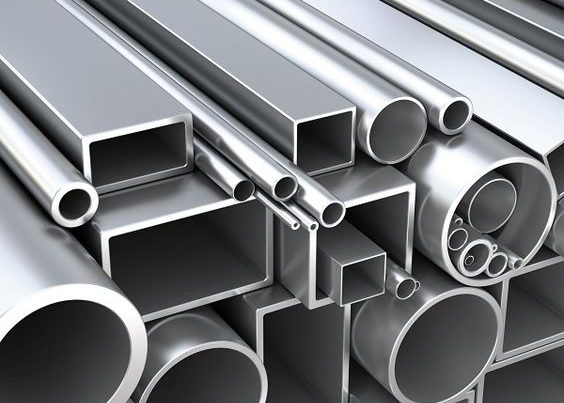
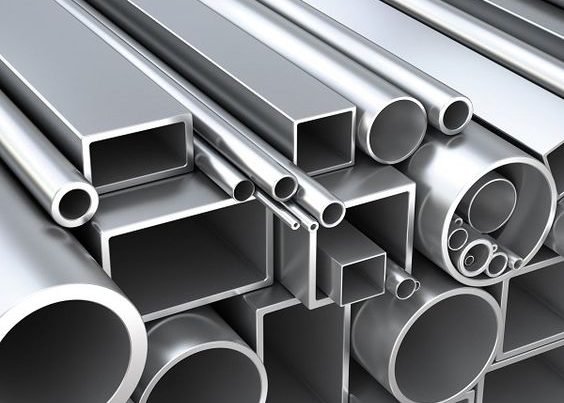
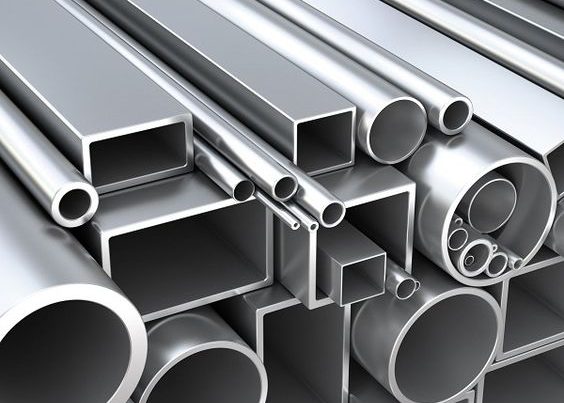
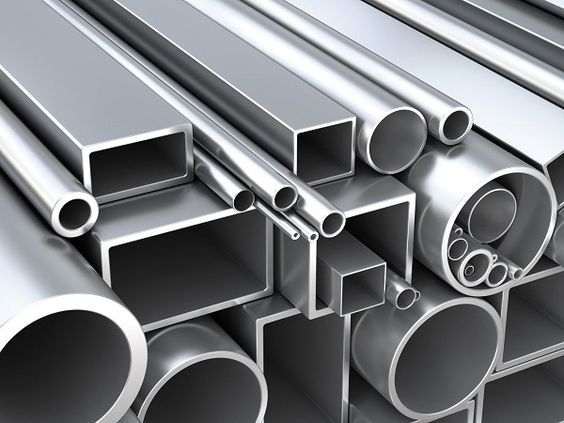
Aluminium extrusion suits this kind of work perfectly. The profiles bolt together with simple fixings, they carry serious loads and they come apart again when a process changes. We supply the aluminium that makes these builds possible, and although we do not produce the profiles ourselves, we work closely with established extrusion partners to match each project with the right sections.
Starting With the Task, Not the Frame
Good design begins with observation. Watch an operator for twenty minutes and you will see where they stretch, where they shuffle and where they put things down twice. Those small frustrations cost time every hour of every shift, and they often cause discomfort too.
Therefore, we encourage customers to map the job before they think about profiles. List the tools, the parts, the paperwork and the reach distances, then sketch where each one belongs. Once that picture exists, choosing sections and brackets becomes straightforward. The frame simply follows the work.
Getting the Ergonomics Right
Height sits at the heart of every comfortable bench. Precision assembly usually calls for a higher surface, so the hands sit close to the eyes, whereas heavier lifting suits a lower top that keeps the load near the waist. Standing, perching and seated work each shift that ideal height again, and a mixed team may need adjustment built in from the start.
Extrusion handles this neatly. You can specify fixed legs at an exact dimension, add adjustable feet for fine tuning or fit a hand crank or electric column when several people share one station. Reach matters just as much, so place frequently used items within a comfortable arc and push rarely used items further out.
The Health and Safety Executive publishes practical guidance on manual handling and workplace ergonomics, which makes a useful reference while you plan.
Choosing Profiles and Sections
Profile choice depends on load and span. Lighter sections suit inspection benches, packing tables and small subassembly stations, while deeper and heavier sections carry engines, castings, large fixtures and loaded shelving. Spans matter too, since a long unsupported beam deflects more than a short one, so an extra leg or a cross brace often solves a wobble before it appears.
Slot size guides your accessory options as well. Common slot widths pair with wide ranges of nuts, brackets and panel fittings, and sticking to one series across a build keeps your fixings interchangeable. We talk customers through these choices regularly, and we flag any point where a different section would save money or improve rigidity.
Building in Storage, Power and Lighting
A workstation rarely stops at a worktop. Most benches need somewhere for tools, somewhere for parts and somewhere for cables, and extrusion accommodates all three without drilling fresh holes each time.
Tool rails, shadow boards, louvre panels and parts bins all mount directly into the slots, so operators keep everything within reach. Likewise, trunking, sockets, air lines and monitor arms attach along the frame and tuck away from moving hands. Task lighting deserves particular attention, as good illumination reduces errors and eye strain, especially on fine assembly and visual inspection.
Worktops, Panels and Finishes
The surface you choose shapes how the bench performs. Laminate wipes clean and suits general assembly, beech offers a forgiving top for hand tools, stainless steel copes with wet or hygienic environments and ESD laminate protects sensitive electronics. Rubber mats and anti fatigue flooring complete the picture for standing roles.
Panels and screens often matter too. Side panels keep draughts and dust away, back panels hide services and clear screens separate adjacent operators while preserving sightlines. Anodising the frame adds corrosion resistance and gives a clean, consistent appearance that still looks smart after years of use.
Designing for Change
Processes rarely stand still, and that is where extrusion really earns its keep. A welded steel bench locks you into one layout, whereas a bolted aluminium frame invites adjustment. Loosen a few fasteners, slide a shelf, add a rail and the station suits the new method within minutes.
Consequently, many customers plan for change deliberately. They leave spare slot length for future accessories, they standardise on one profile series across the shop floor and they keep a small stock of brackets and nuts on hand. Continuous improvement teams love this approach, since an idea raised at a morning huddle can reach the bench by lunchtime.
From Drawing to Delivery
Most projects follow a familiar path. First comes the task study and a rough sketch, then a cutting list and an accessory schedule, and finally assembly on site. Many customers model the frame in CAD beforehand, which helps catch clashes and gives everyone a clear picture of the finished bench.
Our part sits in the middle of that journey. We help you translate a drawing into a practical list of profiles, finishes and lengths, and we draw on our supply partners to source anything unusual. If a standard section does not quite work, a bespoke extrusion sometimes offers a neater and more cost effective answer, and we are happy to explore that route with you. You can read more about how we support projects like this here.
Contact Us Today
Have you outgrown your current benches, or are you planning a new line from scratch? Either way, we would like to hear about it. Tell us what the station needs to do, the loads it will carry and any accessories you have in mind, and we will help you pin down the aluminium that fits.
Contact our team today for friendly advice, a quote or a second opinion on a cutting list. We enjoy helping customers approach custom workstation design using extrusions with clarity, so your finished bench works as hard as the people standing at it.