How to Choose Aluminium Extrusions for Construction Projects
How to choose aluminium extrusions for construction projects can feel like a daunting task, especially when so many alloys, profiles and finishes are available. Every build brings its own demands, and getting the specification right from the outset saves both time and money further down the line. As specialists in custom aluminium extrusion, we work alongside architects, contractors and product designers across the UK, helping them select profiles that perform exactly as required. This guide walks through the key factors worth considering, so you can approach your next project with confidence.
Why the Right Aluminium Extrusion Choice Matters
Aluminium extrusion has become one of the most popular manufacturing methods within construction, and it is easy to see why. The process allows complex cross sectional shapes to be formed with remarkable accuracy, giving architects and engineers far greater freedom than traditional materials often allow. Aluminium is also naturally resistant to corrosion, lightweight yet strong, and fully recyclable, which makes it a practical choice for facades, glazing systems, window frames, curtain walling and structural supports alike. However, choosing the correct extrusion involves more than simply picking aluminium over steel or timber. Several variables influence how a profile will perform once it is installed, so understanding these factors early helps avoid costly redesigns later in the project.
Think Carefully About Alloy Grade
Not all aluminium alloys are created equal, and the grade you select will directly affect strength, workability and resistance to weathering. The 6000 series alloys, such as 6063 and 6082, are widely used across construction because they offer a good balance of strength and extrudability. Designers often choose 6063 for architectural applications where a smooth surface finish is important, while 6082 tends to suit projects that demand higher structural strength, such as load bearing frames or heavy duty supports. Therefore, before finalising a design, it helps to discuss loading requirements, environmental exposure and intended lifespan with your supplier, so the alloy grade matches the demands of the finished structure.
Consider Profile Shape and Design Complexity
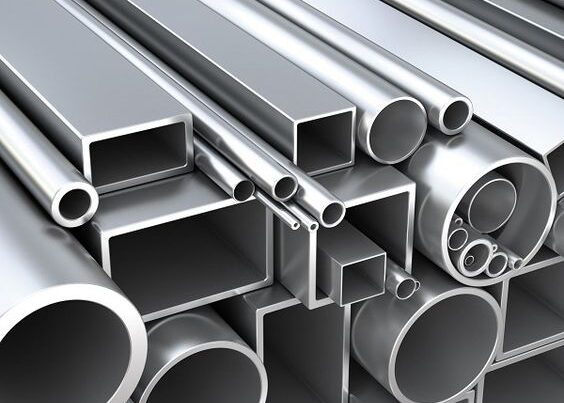
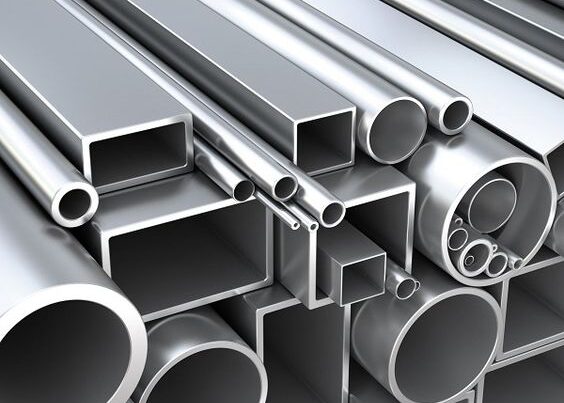
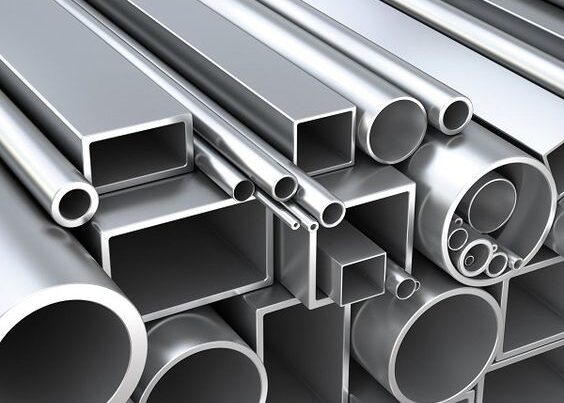
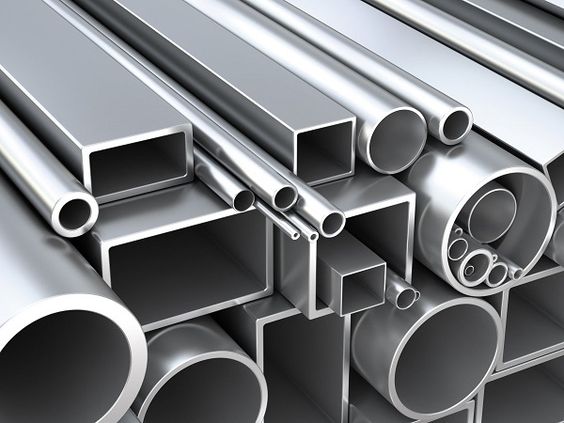
One of the greatest advantages of extrusion is the sheer flexibility of shapes it allows. From simple angles and channels to intricate multi chamber profiles, almost any cross section can take shape once a die has been created. When choosing a profile, think about how it will be fixed, whether it needs to accommodate seals, gaskets or fixings, and how it will interact with adjoining materials. Additionally, simpler profiles are often more cost effective to produce and finish, so it is worth weighing up whether a complex design genuinely improves performance or simply adds unnecessary expense to the tooling stage.
Choose a Finish Suited to the Application
Aluminium extrusions can be left mill finished, anodised or powder coated, and each option brings different benefits. Anodising creates a hard, corrosion resistant surface that works well for both natural and coloured finishes, while powder coating opens up an enormous range of RAL colours and textures for projects where appearance matters as much as performance. Meanwhile, mill finish suits applications hidden from view, where cost control takes priority over aesthetics. Since construction projects are often exposed to varying weather conditions, selecting a finish that offers long term protection helps maintain both the look and integrity of the structure for years to come.
Factor in Sustainability and Lifecycle Costs
Aluminium already stands out as one of the most sustainable materials available to the construction industry, largely because it can be recycled repeatedly without losing its core properties. When comparing extrusion options, it is worth thinking beyond the initial purchase price and considering how the profile will perform over its entire lifecycle. A slightly higher upfront investment in the right alloy or finish often reduces maintenance costs and extends service life considerably, so the overall value becomes clearer once long term performance is taken into account.
Check Compliance with UK Building Standards
Every construction project must meet relevant building regulations, and aluminium extrusions used in structural or fire rated applications are no exception. Thermal performance, fire safety and structural load requirements are all governed by UK building regulations, so it is worth reviewing the official Approved Documents published by the government here before finalising a specification. Working alongside a knowledgeable supplier also helps ensure your chosen extrusions align with current standards, so compliance becomes part of the design process rather than an afterthought.
Partner with an Experienced Extrusion Specialist
Specification decisions become considerably easier when you work with a supplier who understands both the technical and practical sides of extrusion. From initial design and die creation through to fabrication, finishing and delivery, we support projects at every stage, offering guidance drawn from decades of industry experience. Our aluminium extrusion services cover everything from CAD modelling to bespoke profile manufacture, so your project benefits from a single point of contact throughout. Consequently, many of our clients return to us project after project, confident that their specifications remain in safe hands.
Contact Us
If you are planning a construction project and want expert guidance on choosing the right aluminium extrusions, we would love to hear from you. Our team can talk through alloy options, profile design, finishes and compliance requirements, helping you arrive at a specification that suits both your budget and your timeline. Simply get in touch by phone or email, and we will be happy to discuss your requirements in more detail.