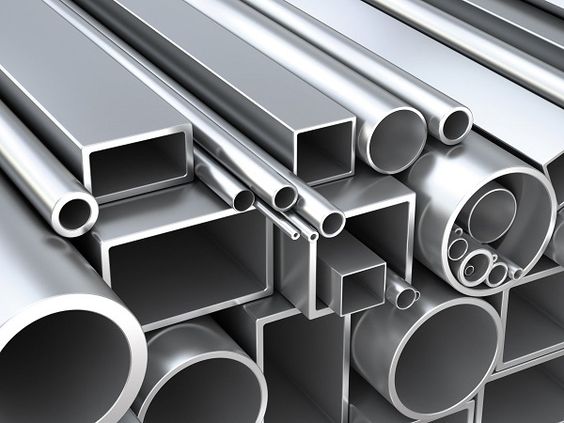
Uses of Aluminium Extrusions in Engineering
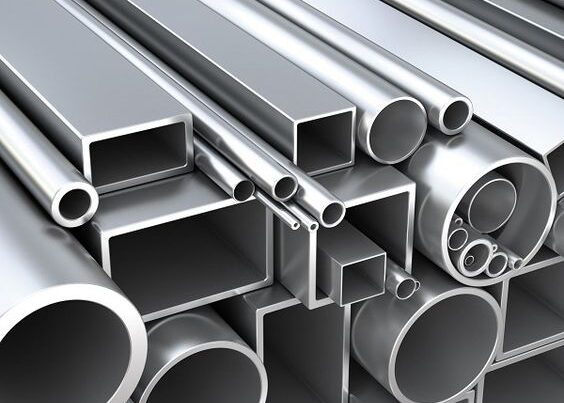
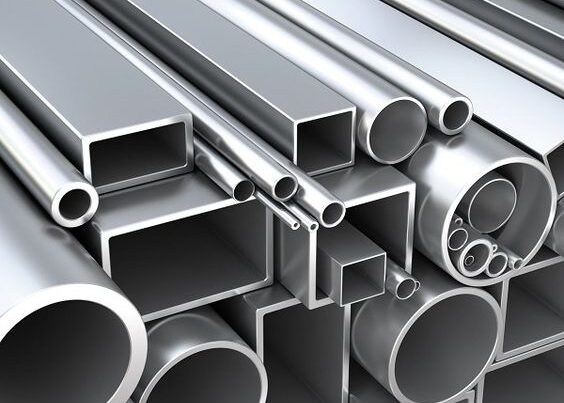
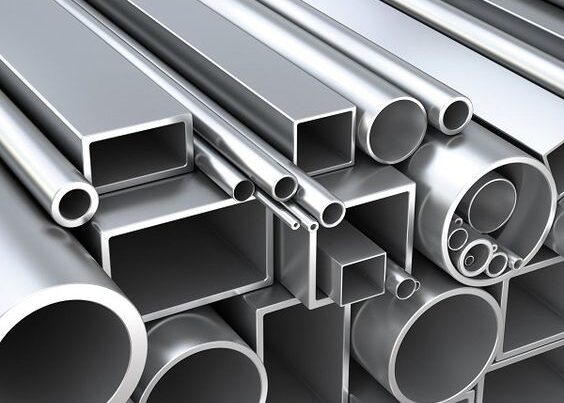
Walk into almost any engineering workshop, production line or test facility and you will find aluminium extrusions doing quiet, essential work. They hold machines together, carry heat away from electronics, guide moving parts and protect operators. As a dedicated aluminium extrusion supplier, we help engineers source the right profile for each job, and we see first hand how versatile this material can be. On this page, we explore the most common uses of aluminium extrusions in engineering and explain why so many designers now choose them over steel, plastic or solid machined parts.
Why Engineers Choose Aluminium Extrusions
The extrusion process pushes heated aluminium through a shaped die, so the finished profile carries exactly the same cross section along its entire length. That simple principle gives engineers enormous design freedom. A single profile can combine channels, ribs, screw ports and snap fit features, which often removes the need for extra components and fixings.
Aluminium also offers an excellent strength to weight ratio. It weighs roughly a third as much as steel, yet the right alloy and temper still deliver the stiffness most structures demand. In addition, it resists corrosion naturally, conducts heat and electricity well, and recycles repeatedly without losing its core properties. For further reading on the material and the standards that govern it, the Aluminium Federation offers a wealth of useful industry information.
Structural Frames and Machine Bases
One of the most familiar uses of aluminium extrusions in engineering is the modular frame. T slot profiles allow engineers to build machine bases, workstations, test rigs and enclosures quickly, using brackets and fasteners rather than welding. As a result, teams can adjust, extend or rebuild a frame whenever a production layout changes.
Bespoke structural profiles take this idea further. Instead of relying on a standard section, designers can specify a shape that matches the loads, mounting points and footprint of their equipment. Consequently, the frame often becomes lighter, neater and easier to assemble on site.
Heat Sinks and Thermal Management
Aluminium conducts heat extremely well, so it naturally suits thermal management. Extruded heat sinks with closely spaced fins draw heat away from power electronics, motor controllers, LED arrays and battery systems. Since the extrusion process can produce thin, tall fins in one continuous length, engineers can simply cut the profile to suit each product size.
Moreover, a well designed heat sink profile can double as part of the product housing. This approach saves space, reduces part counts and helps keep sensitive components within their safe operating temperatures.
Enclosures and Housings for Electronics
Control units, sensors, gateways and instrumentation all need robust housings. Extruded aluminium enclosures provide strength, natural electromagnetic shielding and a clean, professional appearance. Engineers frequently design internal slots that hold circuit boards securely, so assembly becomes faster and more reliable.
Similarly, end caps, gaskets and machined cut outs turn a simple length of profile into a complete, sealed housing. Small changes to the profile can therefore have a big effect on the cost and quality of the final product.
Linear Motion, Guides and Conveyors
Moving parts need accurate, consistent guidance. Extruded profiles form the backbone of linear actuators, slide rails, conveyor side guides and automated handling systems. The consistency of an extruded cross section helps maintain smooth travel along the full length, and integrated channels can carry cables, belts or lubricant lines.
Likewise, packaging lines and food processing equipment benefit from aluminium’s hygienic surface and resistance to corrosion, especially when combined with a suitable anodised finish.
Transport and Automotive Engineering
Weight reduction matters enormously in transport. Lighter vehicles use less fuel or battery power, so manufacturers turn to aluminium extrusions for crash structures, roof rails, battery trays, trailer bodies and interior fittings. Rail and marine engineers rely on extruded panels and stiffeners for similar reasons.
At the same time, extrusions absorb energy well in a collision when engineers design the profile correctly. This combination of light weight and predictable performance keeps aluminium at the forefront of modern vehicle design.
Safety Guarding and Access Systems
Machine guarding, safety barriers, platforms and handrails all draw on the strength and adaptability of extruded aluminium. Panels slot neatly into framing profiles, and engineers can reconfigure the layout as equipment moves or expands. Furthermore, aluminium will not rust in damp or outdoor environments, so guarding and access systems stay safe and attractive for many years.
Choosing the Right Alloy and Finish
Every application places different demands on a profile, so alloy selection deserves careful thought. Alloy 6063 offers an excellent surface finish and suits intricate shapes such as heat sinks and enclosures. Alloy 6082, on the other hand, delivers higher strength and suits load bearing structures. Alloy 6061 sits between the two and appears in many general engineering roles.
Finishing matters just as much. Anodising improves wear and corrosion resistance, while powder coating adds colour and extra protection. Additionally, brushed or polished finishes give visible components a premium look. We always talk through the working environment with our customers, and that conversation guides our recommendation.
How We Support Your Engineering Project
We are not an extruder or a stockholder. Instead, we act as your knowledgeable supply partner, connecting you with trusted extrusion mills and finishing specialists across the UK and Europe. This means we can match each project with the most suitable production partner, rather than steering every order through one facility.
We begin by understanding what your component needs to do. From there, we coordinate profile design, die tooling, alloy selection, finishing and secondary processes such as cutting, drilling and CNC machining. Find out more about the fabrication services we arrange for our customers.
Throughout the process, we keep you informed, check quality and arrange delivery directly to your chosen site. Our customers tell us they value having a single point of contact who understands both engineering requirements and the realities of the extrusion supply chain. Ultimately, our goal is simple: we want you to receive the right profile, at the right price, exactly when you need it.
Practical Tips for Specifying Extrusions
Before you request a quotation, it helps to gather a few key details. Share a drawing or sketch of the cross section, the lengths you need, your expected annual volumes and any finish requirements. Also, tell us about loads, temperatures and the environment the part will face. With this information in hand, we can suggest refinements that reduce tooling costs, simplify assembly or improve performance.
Equally, keep wall thicknesses as even as possible and avoid very deep, narrow channels where you can. These small adjustments often make a profile easier to produce and therefore more affordable over the long term.
Contact Us Today
Whether you need a single bespoke profile or a full range of engineered components, we would love to hear about your project. Our friendly team can review your drawings, recommend suitable alloys and finishes, and source a cost effective solution through our network of specialist partners.
Call us today on 01295 367179 or email info@lovealuminium.co.uk to start the conversation. Tell us what you are building, and we will help you find the aluminium extrusion that brings it to life.