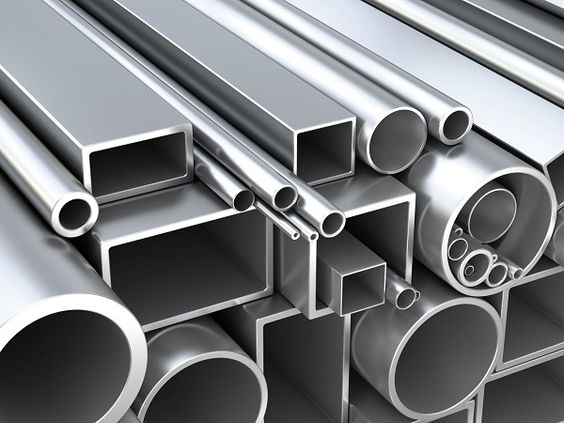
Benefits of Aluminium Extrusion in Robotics
Robots are moving out of research labs and onto factory floors, warehouse aisles and hospital wards. As they spread into new settings, the structures that hold them together have to work harder than ever. Engineers want frames that stay rigid under constant motion, weigh as little as possible and adapt quickly when a design changes. Aluminium extrusion meets all three demands, and that explains why it has become one of the most trusted materials in modern robotics.
We help robotics businesses source the right aluminium profiles for their projects. Our role sits between you and a carefully chosen network of extrusion partners, so we can match each enquiry with the producer best suited to it. Below, we explore the key benefits of aluminium extrusion in robotics and explain how we support engineers from first sketch to final delivery.
Lighter Structures for Faster, More Efficient Robots
Weight shapes almost every aspect of robot performance. A heavy arm needs bigger motors, draws more power and moves more slowly. In contrast, a lighter arm accelerates and stops with greater precision, which improves cycle times and reduces wear on drives and gearboxes.
Aluminium weighs roughly a third as much as steel, yet a well designed extruded profile still delivers impressive stiffness. Engineers can therefore cut mass from gantries, linear axes and end effectors without sacrificing strength. For mobile and collaborative robots, this saving matters even more, since every gram removed extends battery life and makes the machine safer to work alongside.
Design Freedom That Supports Innovation
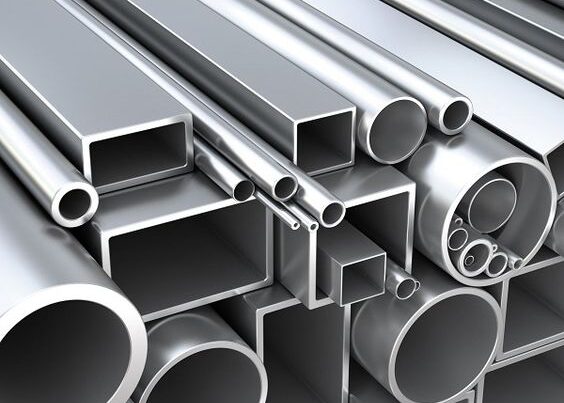
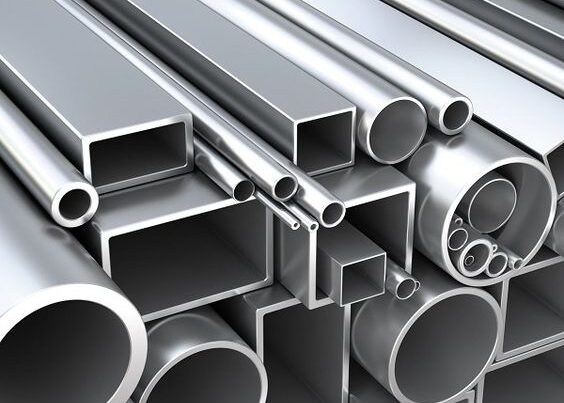
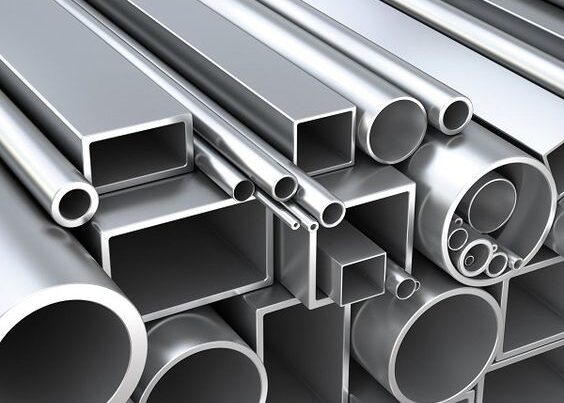
Extrusion works by pushing heated aluminium through a shaped die, and that simple principle opens up a remarkable range of possibilities. Designers can build channels, slots, ribs and hollow chambers directly into a single profile. As a result, one extrusion can replace several machined or welded parts.
In robotics, this freedom proves especially useful. A profile can include a T slot for mounting sensors, an internal channel for routing cables and a guide surface for a linear bearing, all in one section. Fewer parts mean fewer joints, faster assembly and fewer points of failure. Furthermore, once the die exists, every length that follows shares the same accurate geometry, so repeat orders stay consistent.
Accuracy and Repeatability for Precise Movement
Robots depend on precision. Even small deviations in a frame can throw off calibration, confuse a vision system or cause a gripper to miss its target. Extruded aluminium offers tight dimensional tolerances along its length, and secondary operations such as CNC machining refine critical faces even further.
We arrange cutting, drilling and machining through our partner network, so profiles arrive ready to bolt into place. You can explore these options on our fabrication page.
Natural Heat Management
Motors, drives and control electronics all generate heat, and excess heat shortens component life. Aluminium conducts heat well, so an extruded housing or frame can draw warmth away from sensitive parts. Designers often add fins to a profile so that it doubles as a heatsink. This approach saves space, removes the need for separate cooling parts and keeps the overall build neat.
Corrosion Resistance and Durable Finishes
Robots increasingly operate in demanding environments, from humid food processing plants to cleanrooms and outdoor agricultural sites. Aluminium naturally forms a protective oxide layer, and it resists corrosion far better than untreated steel.
On top of that, a range of surface finishes adds further protection and a professional appearance. Anodising hardens the surface and improves wear resistance, while powder coating offers a wide choice of RAL colours for branding or safety coding. We help you choose a finish that suits both the working environment and the look you want.
Modular Frames That Grow with Your Project
Robotics projects rarely stand still. A prototype cell might evolve into a production line, or a single robot might multiply into a fleet. Extruded aluminium frames suit this kind of growth, since engineers can extend, reconfigure or reuse them with standard fixings rather than starting again.
This modular quality also speeds up development. Teams can build a test rig quickly, learn from it and adjust the layout within hours. Consequently, the journey from concept to working machine becomes shorter and less costly.
Sustainability Built In
Many robotics businesses now face pressure from customers and investors to reduce their environmental impact. You can recycle aluminium again and again without losing its core properties, and recycling it uses only a small fraction of the energy that primary production demands. Choosing extruded aluminium therefore supports a circular approach, and frames from retired machines can return to the supply chain rather than heading to landfill.
The International Federation of Robotics tracks how quickly robot adoption is growing around the world, and its research shows why efficient, sustainable materials matter more each year.
Cost-Effective Production at Scale
Extrusion tooling typically costs less than many alternative processes, such as casting moulds. Once the die exists, producing additional lengths remains efficient, which keeps unit costs low as volumes rise. For robotics firms moving from small batches to larger runs, this balance of modest upfront investment and economical repeat production makes a strong commercial case.
Reducing the number of parts also lowers costs further down the line. Fewer components mean less stock to manage, simpler assembly and lower labour costs.
How We Support Robotics Engineers
We are an aluminium extrusion supplier with decades of industry experience. Rather than running our own press, we work with a trusted framework of extrusion partners across the UK and Europe. This model lets us select the right producer for each profile, alloy and volume, so you get a tailored solution instead of a one size fits all offer.
Our support covers the whole journey. First, we help refine your profile design using CAD, so it extrudes efficiently and performs as intended. Next, we coordinate die production, extrusion, finishing and fabrication with our partners. Finally, we arrange delivery to your chosen site, anywhere in the UK or Europe.
Throughout the process, you deal with one point of contact. We keep you updated, answer technical questions and suggest ways to simplify a design or reduce cost. Many of our clients tell us this joined up approach saves them time and removes the stress of managing several suppliers.
Contact Us Today
Are you developing a robot, an automation cell or a piece of motion equipment? We would love to hear about it. Whether you have a finished drawing or just a rough sketch, our team can help you turn it into a practical, cost effective aluminium profile.
Call us on 01295 367179 or email info@lovealuminium.co.uk to start the conversation. Tell us about your application, your target volumes and any finish or machining requirements, and we will come back to you with clear advice and a competitive quote.