Is Aluminium an Alloy?
It is a question we hear regularly from engineers, product designers and buyers, and the honest answer is both no and yes. In its pure form, aluminium is a chemical element rather than an alloy. However, almost every aluminium product you handle in everyday life, from window frames to LED housings, is actually an aluminium alloy. So, when people talk about aluminium in a commercial or industrial setting, they nearly always mean an alloy, even if they do not realise it.
At Love Aluminium, we help businesses source aluminium extrusions in the right alloy for their application. As a result, we spend a lot of time explaining the difference between the pure metal and the grades that industry relies on. Below, we break down what aluminium really is, why alloys dominate the market and how choosing the correct grade shapes the success of your project.
Pure Aluminium Is an Element
Aluminium sits on the periodic table as element 13, with the chemical symbol Al. A pure element contains only one type of atom, so by definition it cannot be an alloy. Aluminium is also the most abundant metal in the Earth’s crust, yet nature never offers it up as a pure metal. Instead, producers extract it from bauxite ore through a refining and smelting process. You can read more about its chemistry and history on Encyclopaedia Britannica.
Pure aluminium has plenty of appealing qualities. It is light, it resists corrosion and it conducts heat and electricity well. On the other hand, it is also relatively soft and weak. That softness limits its use in structural or load bearing applications, and this is exactly where alloys come in.
What Makes Something an Alloy?
An alloy combines a base metal with one or more other elements to create a material with improved properties. Metallurgists add these elements in carefully controlled amounts to change how the metal behaves. For example, brass blends copper with zinc, while steel combines iron with carbon.
Aluminium alloys follow the same principle. Small additions of copper, magnesium, silicon, manganese or zinc, often just a few percent, transform soft aluminium into a material strong enough for vehicle frames, building systems and machinery. Consequently, the finished alloy keeps the light weight and corrosion resistance that make aluminium so popular, while also gaining strength, hardness or better workability.
Why Most Commercial Aluminium Contains Other Elements
Pure aluminium rarely meets the demands of modern engineering, so manufacturers across almost every sector choose alloys instead. Even grades that the industry describes as commercially pure contain tiny traces of iron and silicon. Grades in the 1000 series hold at least 99% aluminium, and many people treat these as unalloyed. Every other series, however, deliberately includes alloying elements to achieve specific results.
In practical terms, this means the profile on your production line, the trim on your shop sign or the heat sink in your light fitting is almost certainly an alloy. Knowing which one helps you predict how it will perform.
Understanding the Aluminium Alloy Series
The industry uses a four digit numbering system for wrought aluminium alloys. The first digit tells you the main alloying element, and it gives you a quick guide to how each grade behaves.
1000 series: at least 99% aluminium, with excellent conductivity and corrosion resistance.
2000 series: copper, which delivers high strength, so aerospace engineers often specify it.
3000 series: manganese, which offers moderate strength and good formability for roofing and cookware.
4000 series: silicon, which lowers the melting point and suits welding wire and brazing.
5000 series: magnesium, which performs well in marine environments.
6000 series: magnesium and silicon together, which makes these grades ideal for extrusion.
7000 series: zinc, which produces some of the strongest aluminium alloys available.
8000 series: other elements such as lithium or iron, used for specialist applications.
The 6000 Series and Aluminium Extrusions
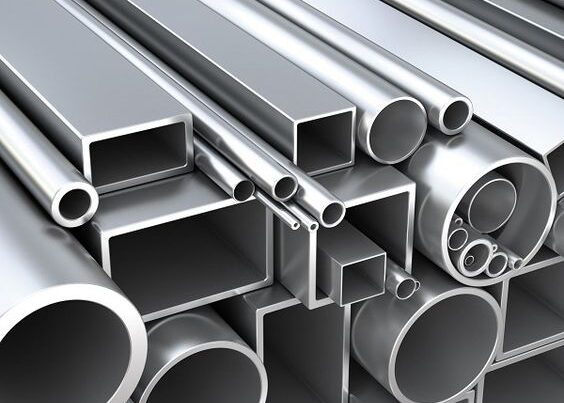
When it comes to extruded profiles, the 6000 series leads the way. These alloys flow smoothly through a die, they accept heat treatment and they respond well to anodising and powder coating. Our clients across lighting, signage, automotive and general manufacturing therefore tend to work with a handful of popular grades.
6063 offers an exceptionally smooth surface that takes anodising beautifully, so architects and lighting designers favour it. 6060 behaves in a similar way and extrudes easily into fine, detailed shapes. Meanwhile, 6082 delivers greater strength, which makes it a strong choice for structural and engineering components. If you would like to explore the profiles we supply, take a look at our aluminium extrusions.
Temper matters too. A designation such as T5 or T6 tells you how the producer has heat treated and aged the profile. Two parts made from the same alloy can therefore behave quite differently depending on their temper.
How the Right Alloy Affects Your Project
Your choice of alloy influences strength, surface finish, machinability, cost and lead time. For instance, if you need a decorative trim with a bright anodised finish, 6063 will usually serve you better than 6082. Conversely, a load bearing bracket or frame may need the extra strength that 6082 provides.
Choosing the wrong grade can lead to costly redesigns, die revisions or parts that fail to meet their specification. For that reason, we always discuss the end use of a profile before we recommend an alloy. A short conversation at the start can save you time, money and frustration later on.
How We Help You Source the Right Aluminium Alloy
We are an aluminium extrusion supplier, and we work with a trusted network of extrusion partners across the UK and Europe. This approach lets us match each project with the producer and alloy best suited to it, rather than pushing every customer towards a single option.
Our team brings decades of experience in the aluminium industry, so we understand the technical detail that sits behind every profile. We can support you from the earliest design sketches through to die tooling, finishes, fabrication and delivery to your chosen destination. Throughout the process, we keep you informed, so you always know where your order stands.
Whether you already know the exact grade you need or you simply have an idea and a set of requirements, we will help you find a practical, competitively priced solution. In addition, we are always happy to talk through the pros and cons of different alloys, so you can make a confident, informed decision.
Contact Us Today
Do you have a question about aluminium alloys, or are you ready to discuss your next extrusion project? Our friendly team would love to hear from you. Call us on 01295 367179 or email info@lovealuminium.co.uk and tell us a little about what you need. We will listen carefully, answer your questions and help you source the right aluminium profile for the job.