Compare Aluminium Extrusion and Steel Fabrication for Your Next Project
Choosing between aluminium and steel shapes almost every part of a project, from the weight of the finished product to the way it looks after ten years of use. So when buyers ask us to compare aluminium extrusion and steel fabrication, we always start with a simple question: what does the part actually need to do? Once we understand that, the right answer usually becomes clear, and we can guide you towards a solution that suits your budget, your timescales and your end users.
As a specialist supplier of custom aluminium extrusions, we work alongside a carefully selected network of trusted extrusion partners. That gives us an honest, practical view of where aluminium shines and where steel still earns its place. Below, we set out the key differences so you can make a confident, well informed decision.
How the Two Methods Differ
Steel fabrication typically starts with stock materials such as sheet, plate, tube or standard sections. Fabricators then cut, bend, weld and assemble those pieces into the shape you need. Each joint adds labour, and each weld brings extra time, inspection and the risk of distortion.
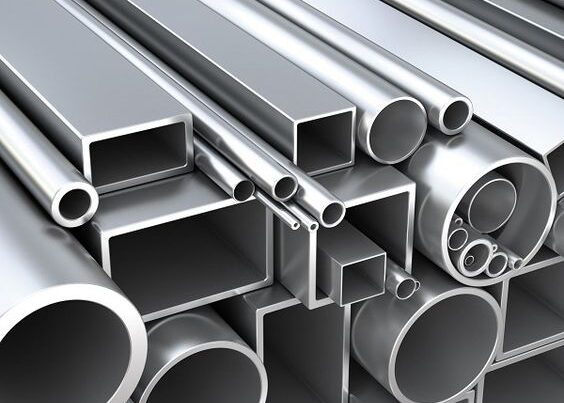
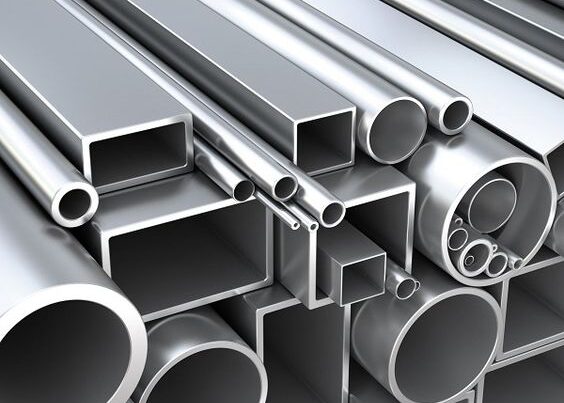
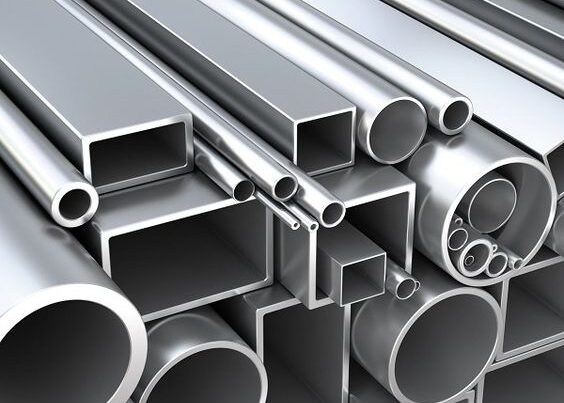
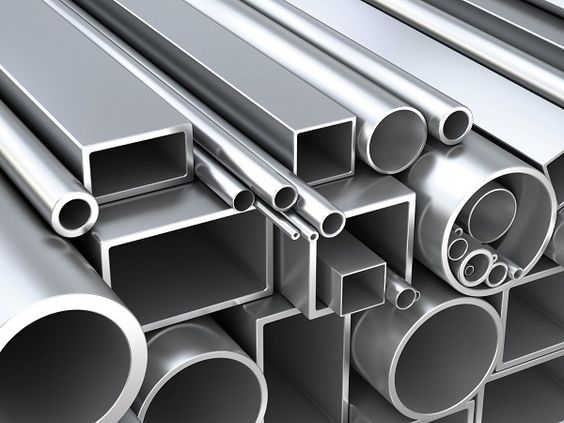
Aluminium extrusion works in a completely different way. A press pushes a heated aluminium billet through a shaped die, creating a continuous profile with a consistent cross section along its entire length. Complex features such as screw ports, channels, slots and snap fits form in a single pass, so you often need fewer parts and fewer joining operations. In short, steel fabrication builds a shape piece by piece, whereas extrusion creates it in one go. To see each stage in more detail, take a look at our guide to the aluminium extrusion process.
Weight and Strength
Steel is undeniably strong, and for heavy structural loads it remains a popular choice. However, aluminium weighs roughly a third as much as steel, so it offers an excellent strength to weight ratio. That matters enormously for automotive components, lighting housings, signage frames, machine guarding and anything people need to lift, transport or mount on a wall.
Furthermore, extrusion lets designers put material exactly where it does the most work. Internal ribs and hollow chambers add stiffness without adding bulk, so a thoughtfully designed aluminium profile can often match the performance of a much heavier steel assembly.
Corrosion Resistance and Durability
Untreated steel rusts, so it usually needs galvanising, painting or regular maintenance, particularly outdoors or in damp environments. Aluminium, on the other hand, naturally forms a thin protective oxide layer when it meets air. This layer helps it resist corrosion without additional treatment, and it renews itself if the surface picks up a scratch.
As a result, aluminium profiles tend to keep their appearance for longer with very little upkeep, which lowers the lifetime cost of your product.
Finishing Options
Both metals accept paint and powder coating. Aluminium, however, opens up a wider choice of attractive finishes. Through our partners, we can arrange natural or coloured anodising, powder coating in a broad range of RAL colours, and polished or brushed finishes. Anodising in particular becomes part of the metal surface rather than sitting on top of it, so it will not peel or flake over time.
Cost and Tooling
Many buyers assume steel always costs less, and on raw material price per kilo it often does. Even so, a fair comparison looks at the total cost of the finished part rather than the metal alone.
Extrusion requires a die, which carries an upfront cost. That investment is usually modest compared with the savings it unlocks, since every metre of profile arrives with the same precise shape and needs far less secondary work. For medium and high volume runs, aluminium extrusion frequently works out more cost effective than fabricating steel by hand, especially once you factor in welding, grinding, rust protection and the higher transport costs of heavier goods.
For very small, one off structural pieces, steel fabrication may still make more financial sense, and we are always happy to tell you so.
Design Freedom
Extrusion gives designers remarkable creative freedom. Once you have a die, you can produce intricate profiles that would be slow or impractical to fabricate in steel. You can also combine extrusion with secondary processes such as cutting to length, drilling and CNC machining, so your parts arrive ready to assemble.
Steel fabrication suits large frameworks and bespoke structures well, yet it becomes increasingly labour intensive as the shape grows more complex.
Sustainability
Sustainability now features in most procurement decisions, and aluminium performs strongly here. You can recycle it again and again without losing its core properties, and recycling uses only around 5% of the energy needed to produce primary aluminium. The Aluminium Association publishes useful data on aluminium recycling and its role in a lower carbon economy. Lighter products also cut fuel use during transport, which reduces emissions right across the supply chain.
When Steel May Be the Better Fit
We believe in giving balanced advice. Steel remains a sensible option for large load bearing structures, very high temperature environments and situations where maximum stiffness matters more than weight. If your project falls into one of these categories, we will tell you honestly rather than push you towards aluminium.
Why Choose Us as Your Aluminium Extrusion Supplier
Our managing director has worked in the aluminium industry since 1985, and our team has supplied custom extrusions since 2006. That depth of experience means we can review your drawings, recommend the most suitable alloy and finish, and spot ways to simplify a profile before tooling begins. We then coordinate design, dies, extrusion, finishing and fabrication through our partner network, and we arrange delivery to your chosen address across the UK and Europe. Consequently, you deal with one knowledgeable point of contact from first sketch to final delivery.
Contact Us Today
If you are weighing up aluminium extrusion against steel fabrication, we would love to talk through your project. Send us a rough sketch, a CAD file or simply an idea, and we will come back to you with clear, practical advice and a competitive quote. Call us on 01295 367179 or email info@lovealuminium.co.uk, and let us help you choose the material that gives your product the best possible start.