What is the most common size of aluminium extrusion?
Anyone new to sourcing aluminium profiles quickly discovers that there isn’t a single, universal “standard” size that applies to every project. Aluminium extrusion is a shaping process, and the profile that comes out the other end depends entirely on the die used to form it. That said, there are sizes and formats that come up again and again across industries, and understanding these common dimensions can help you plan a project, estimate costs and communicate clearly with your supplier.
In this guide, we look at what counts as a “common” extrusion size, why certain dimensions dominate the market, and how we can help you find or create the right profile for your application.
Why there is no single standard size
Extrusion works by forcing heated aluminium billet through a shaped opening called a die, so the resulting cross section can be almost anything a designer specifies. Because of this flexibility, the industry has never settled on one universal size in the way that, for example, standard timber or steel bar stock has. Instead, sizing tends to be grouped by application, press capability and industry convention.
Press size is a major factor here. Extrusion presses are rated by tonnage, and this rating limits the maximum circle size, which is the diameter of the largest circle that can contain the cross section of a profile. Smaller presses typically handle circle sizes up to around 150mm, while larger presses can accommodate circle sizes beyond 300mm. So the “common” sizes you see quoted often reflect what mid-range presses across the UK and Europe can comfortably produce, rather than any formal industry standard.
Common circular and tubular sizes
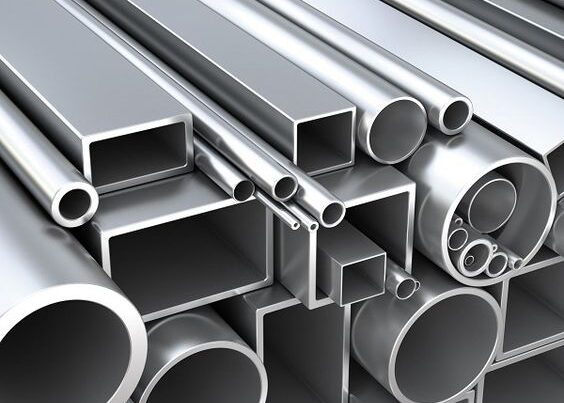
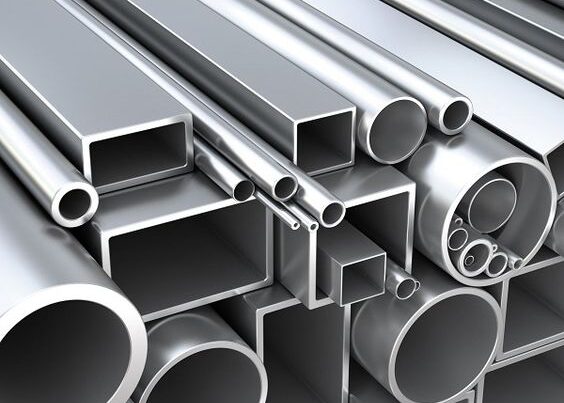
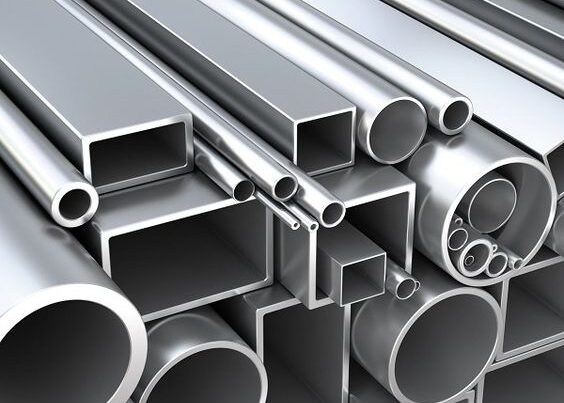
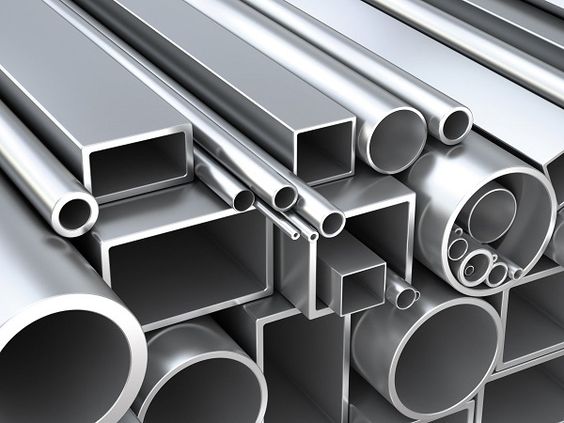
Round tube and bar extrusions are a useful starting point, since they follow more predictable patterns than complex custom profiles. Outside diameters of 10mm, 12mm, 16mm, 20mm, 25mm and 40mm appear frequently across catalogues, and wall thicknesses commonly range from 1mm to 3mm for lighter applications, rising to 5mm or more for structural uses. These sizes crop up so often because they align well with standard fixings, fittings and end connectors used across construction, signage and engineering sectors.
Common profile sizes for construction and glazing
Within the construction and architectural glazing sectors, certain box section and channel dimensions have become something of an informal benchmark. Box sections around 40mm x 40mm and 50mm x 50mm are widely used for framing, whilst channel and angle profiles in the 25mm to 50mm range suit a broad spread of general fabrication tasks. Larger structural sections, sometimes exceeding 100mm in one dimension, are more typical of curtain walling and heavy-duty framing systems.
Common profile sizes for signage and lighting
Signage and LED lighting applications tend to favour slimmer, more specialised profiles. Widths of 15mm to 35mm are particularly common for LED channel and trim sections, since these dimensions balance heat dissipation with a discreet visual footprint. Illuminated signage often calls for deeper box or tray profiles, typically between 40mm and 80mm in depth, to house diffusers, drivers and cabling.
Tolerances and why they matter
Alongside overall dimensions, tolerances play a significant role in determining whether a profile will be fit for purpose. Standard tolerances for aluminium extrusion are typically governed by published industry standards, and staying within these limits affects how well a profile fits with fixings, seals and adjoining components. The Aluminium Federation offers useful background on UK industry standards and best practice, which is worth reviewing if you would like a deeper technical grounding.
Custom sizing versus common sizing
Whilst common sizes offer a helpful starting point, many projects ultimately call for a bespoke profile. A custom die allows a design team to optimise wall thickness, add integrated features such as screw bosses or slots, and reduce material usage without compromising strength. This route takes longer and usually involves a higher upfront tooling cost, so it tends to suit projects with sufficient volume to justify the investment. Smaller runs or one-off requirements, on the other hand, often benefit from sourcing an existing common profile, since this avoids tooling costs altogether and shortens lead times considerably. You can read more about how the wider process works on our page explaining the aluminium extrusion process.
How to choose the right size for your project
Selecting a suitable size starts with understanding the load, fit and finish requirements of your application. A structural component will need a different wall thickness and cross section to a decorative trim, and a project destined for outdoor use will need to factor in thermal movement and weather resistance. It helps to sketch out rough dimensions early, gather any relevant drawings, and consider how the extrusion will connect to surrounding materials. From there, a supplier can advise whether a common profile will do the job or whether a custom die is the more sensible route.
Working with a supplier who understands sizing
Because sizing decisions influence cost, lead time and performance, it pays to work with a supplier who can talk you through the options rather than simply quoting a catalogue number. We supply a wide range of aluminium extrusions and work alongside our clients to match profiles to their exact requirements, whether that means identifying a suitable common size or guiding a bespoke design through to production. Our experience across construction, signage, lighting and manufacturing means we are well placed to help you weigh up the practical trade offs between standard and custom sizing.
Contact Us Today
If you are trying to work out which extrusion size suits your project, we would be glad to help. Our team can talk through your requirements, suggest suitable common sizes where they exist, and advise on custom options when a bespoke profile makes more sense. Get in touch with us today to discuss your aluminium extrusion needs and we will guide you through the next steps.