How strong is 20mm aluminium extrusion?
Aluminium extrusion has become one of the most trusted materials in modern engineering, and 20mm profiles sit right at the heart of countless projects across construction, signage, automotive and manufacturing. So how strong is a 20mm aluminium extrusion, and is it the right choice for your next build? We have put together this guide to help you understand the strength characteristics of this popular profile size, and how it might suit your requirements.
What makes aluminium extrusion strong
Aluminium extrusion strength depends on several factors working together, including the alloy grade, the temper, the wall thickness and the shape of the profile itself. A 20mm extrusion made from a 6063 or 6061 alloy, for example, will behave very differently under load compared with a softer grade, so the alloy choice matters just as much as the physical dimensions. The extrusion process itself also plays a part, because pushing aluminium through a die under intense pressure aligns the grain structure along the length of the profile, and this gives the finished product excellent strength relative to its weight.
Temper is another factor that often gets overlooked. A T5 or T6 temper, achieved through controlled heating and cooling, increases the hardness and yield strength of the aluminium considerably, so two extrusions of identical size and alloy can perform quite differently depending on how they have been treated. Wall thickness and internal ribbing also influence how much load a 20mm profile can bear before it flexes or fails, which is why the design of the cross section is just as important as the outer dimensions.
Tensile strength and load capacity explained
Tensile strength refers to the maximum stress a material can withstand before it breaks, and for common aluminium alloys used in extrusion, this typically falls somewhere between 150 and 310 megapascals, depending on the alloy and temper selected. A 20mm profile in 6063 T5, a popular choice for general fabrication, offers a good balance of strength and workability, and it is widely used where moderate structural performance is needed without excessive weight. For applications demanding higher strength, 6061 T6 is often specified instead, as it offers a noticeably higher yield strength while remaining lightweight.
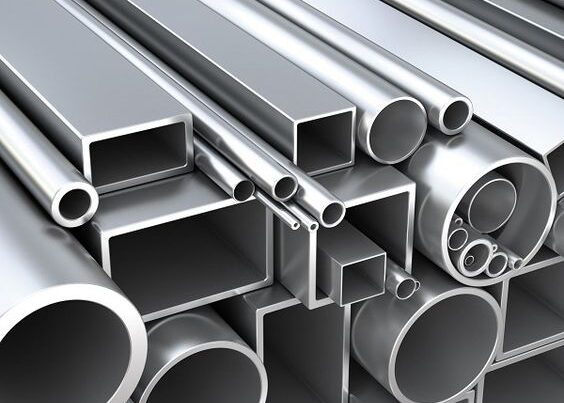
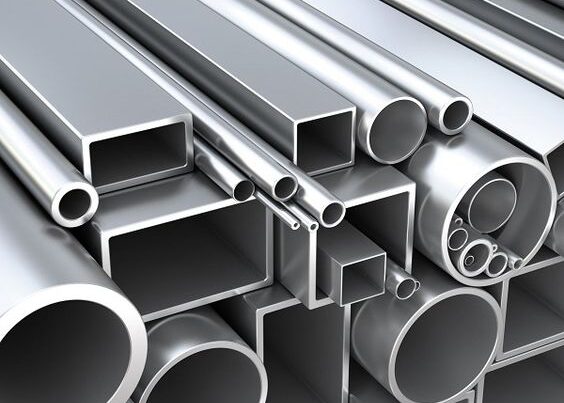
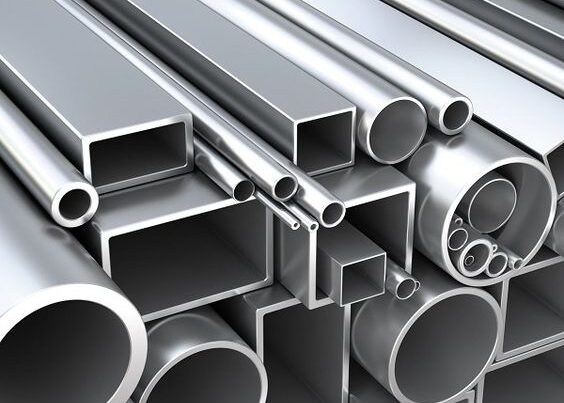
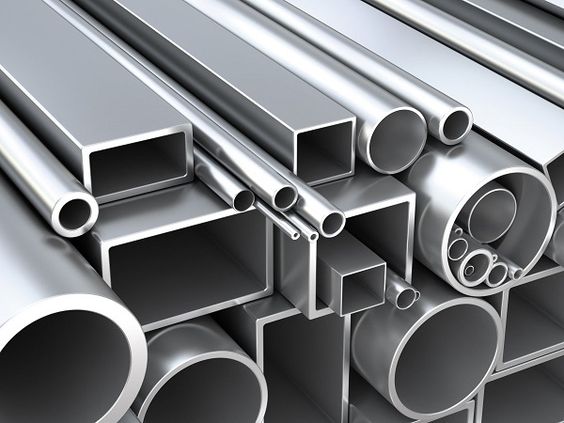
Load capacity, however, is not just about the alloy. The shape of the extrusion, whether it is a solid bar, a hollow box section or a more complex multi chamber profile, changes how forces are distributed through the material. A hollow 20mm box section, for instance, can often outperform a solid bar of the same width when it comes to resisting bending, because the geometry spreads stress more evenly. This is why engineers rarely judge strength on dimensions alone, and instead look at the full combination of alloy, temper and profile design before specifying a component.
For a deeper technical explanation of how alloy composition affects mechanical properties, the European Aluminium industry association publishes detailed guidance here, which is a useful reference point for anyone wanting to understand the science behind extrusion performance.
Where 20mm aluminium extrusion performs best
A 20mm profile strikes a practical middle ground, and it is frequently chosen for applications where full structural steel would be unnecessarily heavy, yet a thinner profile would not provide enough rigidity. Shopfitting, display systems, lightweight framing, signage structures and machine guarding all commonly use 20mm sections, because they offer enough strength to hold their shape under everyday loads while remaining easy to cut, drill and finish.
In manufacturing environments, 20mm extrusions are also popular for jigs, enclosures and modular framing systems, since they can be assembled and reconfigured quickly without compromising on durability. Automotive and transport applications sometimes call for this size too, particularly where weight reduction is a priority but a degree of structural resistance is still required. Because aluminium naturally resists corrosion, these profiles also hold up well in environments exposed to moisture or fluctuating temperatures, which adds to their appeal across so many sectors.
How we can help with your extrusion requirements
We supply aluminium extrusions across a wide range of sizes and specifications, and we understand that choosing the right profile involves more than picking a number off a spec sheet. Our team can talk you through alloy options, temper grades and profile shapes so that whatever you are building, from lightweight display frames to more demanding industrial applications, you end up with a product that genuinely fits the job. Take a look at our aluminium extrusions page for more detail on the sizes and finishes available.
We work with businesses across the UK, and our aim is always to make the process of sourcing extrusion straightforward, whether you already know exactly what you need or you are still working through your options. So if you are weighing up whether a 20mm profile suits your project, or you need something entirely bespoke, our team is on hand to talk through the technical detail with you.
Contact Us Today
If you would like to discuss your aluminium extrusion requirements, or you simply have a question about strength, alloy grades or which profile suits your project best, we would love to hear from you. Our team is happy to talk through your specification in plain terms and help you find the right solution, so please reach out whenever suits you. We aim to respond quickly, and there is never any obligation attached to a conversation, so get in touch today and let us help you move your project forward.